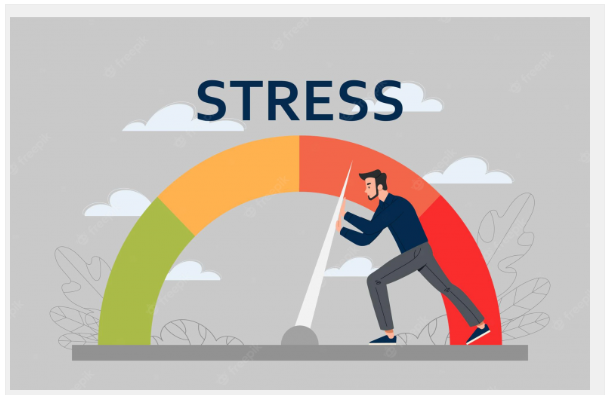

How to cope with stress at university
Coping with stress at university involves adopting effective strategies to manage your emotions, workload, and overall well-being. Here are some tips to help you cope with stress:
- Time management: Create a schedule or use a planner to manage your time effectively. Prioritize your tasks and allocate specific time slots for studying assignments, and personal activities. This will help you stay organized and reduce the feeling of being overwhelmed.
- Seek support: Reach out to your university’s support services, such as counselling centres or student support programs. They can provide guidance, counselling, and resources to help you manage stress. Additionally, talk to friends, family, or classmates about your concerns. Sometimes, simply sharing your feelings can alleviate stress.
- Break tasks into smaller steps: Large projects or assignments can be overwhelming. Break them down into smaller, more manageable tasks. Completing these smaller steps will give you a sense of progress and make the workload seem more achievable.
- Practice self-care: Take care of your physical and mental well-being. Engage in activities that help you relax and unwind, such as exercising, practising mindfulness or meditation, listening to music, or engaging in hobbies you enjoy. Get enough sleep, eat well-balanced meals, and avoid excessive caffeine or alcohol intake.
- Build a support network: Surround yourself with positive and supportive individuals. Join student clubs, societies, or organizations that align with your interests. Connecting with like-minded peers can provide a sense of belonging and reduce feelings of isolation.
- Breaks and leisure time: Allow yourself regular breaks while studying. Take short walks, engage in deep breathing exercises, or do something enjoyable during these breaks. It’s important to give your mind a chance to rest and recharge.
- Set realistic expectations: Avoid setting unrealistic expectations for yourself. Be mindful of your limitations and understand that it’s okay to ask for help or seek extensions when needed. Remember, you’re human, and it’s normal to feel stressed at times.
- Explore stress-reduction techniques: Find relaxation techniques that work for you. This may include deep breathing exercises, yoga, journaling, or listening to calming music. Experiment with different techniques and identify what helps you relax and reduce stress.
- Stay engaged and balanced: While it’s important to focus on academics, make sure you also engage in social activities, hobbies, and interests outside of your studies. Maintaining a balanced lifestyle can help prevent burnout and enhance your overall well-being.
- Celebrate achievements: Acknowledge and reward yourself for your accomplishments, no matter how small. Celebrating milestones can help boost your motivation and self-confidence.
Remember, if stress becomes overwhelming and begins to affect your daily life, it’s crucial to seek professional help. Reach out to a mental health professional or counsellor who can provide personalized support and guidance.