
How to Apply for NSFAS Funding for the 2025 Academic Year: A Comprehensive Guide
The National Student Financial Aid Scheme (NSFAS) is an invaluable resource for South African students seeking financial aid for tertiary education. For the 2025 academic year, NSFAS will continue to support eligible students to ensure that financial constraints do not prevent them from pursuing their educational goals. This article discusses the NSFAS application process, requirements, and important information for applicants.
Who is Eligible for NSFAS Funding?
NSFAS offers funding to South African citizens, and eligibility is primarily based on financial need. To qualify, applicants must meet the following criteria:
- Household Income: The combined household income of the applicant’s parents or guardians should not exceed R350,000 per annum. If the applicant is a person with a disability, the household income threshold is R600,000 per annum.
- Academic Requirements: Applicants must be accepted or planning to apply for admission to a public university or Technical and Vocational Education and Training (TVET) college.
- Age: There is no age restriction for NSFAS funding.
- Citizenship: Only South African citizens are eligible.
What Does NSFAS Cover?
NSFAS funding covers a wide range of expenses to support students throughout their studies, including:
- Tuition Fees: Full coverage of tuition fees for the chosen program.
- Accommodation: NSFAS provides accommodation funding, subject to a maximum allowance, depending on whether the student resides in campus accommodation, private rental, or in a university-owned or leased accommodation.
- Living Allowance: A monthly allowance for meals, groceries, and personal expenses.
- Transport: For students living off-campus, a transport allowance is provided to cover the costs of travel.
- Books and Study Materials: NSFAS offers funding for books and other necessary study materials.
NSFAS Application Process
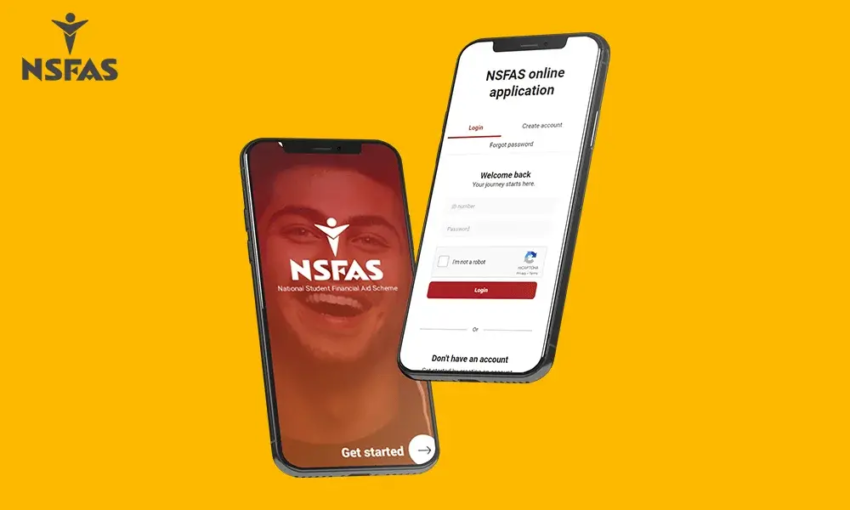
The NSFAS application for the 2025 academic year is completed online. Here’s a step-by-step instructions:
Step 1: Prepare the Required Documents
Before starting the application, ensure you have the following documents ready:
- Certified copies of your ID and that of your parents/guardians.
- Proof of income (e.g., recent payslips or a pension slip) for your parents/guardians.
- A certified copy of your latest academic results.
- A Disability Annexure A form, if applicable.
- If you are an orphan, a Vulnerable Child Declaration Form completed by a social worker.
Step 2: Register on the NSFAS Website
- Visit the official NSFAS website (www.nsfas.org.za) and create an account.
- You will need a valid email address and mobile phone number to register.
Step 3: Complete the Application Form
- Log in to your NSFAS account and fill out the online application form.
- Carefully enter all the required information and upload the necessary documents.
Step 4: Submit Your Application
- Review your application to ensure all details are correct.
- Submit the application online before the closing date. For the 2025 academic year, the application period is expected to open around September 2024 and close in January 2025.
Step 5: Track Your Application
- After submission, you can track the status of your application by logging into your NSFAS account.
- NSFAS will communicate the outcome of your application via SMS, email, or your NSFAS portal.
Important Deadlines and Tips
- Application Period: The application period typically runs from September to January. It’s crucial to apply as early as possible to avoid last-minute issues.
- Keep Your Information Updated: Ensure your contact details, including your email and phone number, are correct and up to date on your NSFAS profile.
- Double-Check Documentation: Make sure all documents are certified and up to date. Missing or incorrect documentation can delay your application.
- Seek Help if Needed: If you encounter difficulties during the application process, NSFAS has a dedicated helpline and online support channels. Additionally, many universities and TVET colleges have financial aid offices that can assist with the application.
What Happens Following Your Application?
NSFAS will send you a confirmation once your application has been approved. The funds will be disbursed directly to your institution to cover tuition and other expenses. You will also receive monthly allowances to cover living expenses and other necessities.
Appeals Process
If your application is denied, you have the option to appeal. Typically, the appeals process requires you to provide additional documentation or clarification to back up your case. Appeals must be submitted within the timeframe specified after receiving the rejection notice.